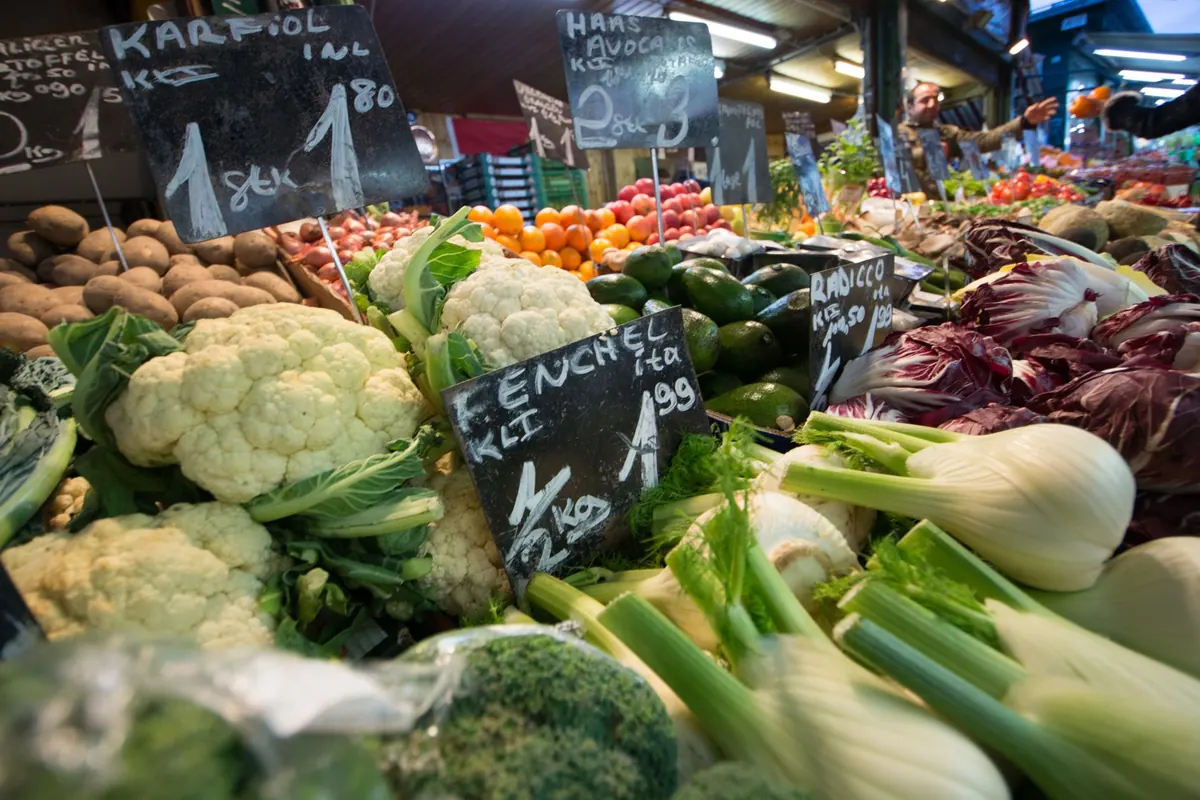
Seasonal Produce and Market Nights: A Local Shopping Guide
At half past six the market changes character. The crates are still full, but the crowd has thinned to people on their way home, and the voices at the stalls have shifted from brisk to conversational. This is the hour when shopping stops being a chore and becomes the best part of the day. It is also the hour when a little knowledge pays off most: about what is genuinely in season, about which stalls deserve your loyalty, and about the quiet rules that keep an evening market pleasant for everyone standing in it. What follows is a working guide rather than a lecture — the sort of thing you learn by turning up twice a week for a year, and then wish someone had told you at the start.
The Evening Market Keeps a Different Clock
Morning markets belong to restaurants, professional cooks and people with lists. Evening markets belong to everyone else, which changes how they operate. By seven, a vendor has a clear idea of what will not survive the night, and you have a clear idea of what you actually want to eat. Those two facts are the whole basis of a good transaction.
It is worth saying what this does not mean. The last hour is not a free-for-all, and treating it as one is the quickest way to be served last and helped least. It means paying attention. Some produce improves with the clock — squash, onions, roots, cabbage, bread, hard cheese — because it was never going to spoil in the next twelve hours anyway. Some does not: soft herbs, delicate greens, berries, anything already sitting in the sun. Knowing the difference saves you money and, more importantly, saves you from a disappointing dinner.
What the Season Looks Like From the Pavement
Seasonal eating gets discussed as if it were a philosophy. In a market it is simply what is on the table. The most useful habit is to shop by abundance rather than by recipe: whatever appears in the greatest quantity, at the most stalls at once, is usually at its peak and priced to reflect it.
Spring
Asparagus, peas, broad beans, young spinach, radishes, spring onions, wild greens and the first strawberries. Look for tight asparagus tips, firm pods and leaves that are not sticky. Buy peas and beans in quantities you are willing to pod — a kilo in the pod yields far less than it looks.
Summer
Tomatoes that smell of the vine, stone fruit, cucumbers, peppers, aubergine, basil by the armful, sweetcorn, melons. Judge by scent and weight rather than colour alone; a peach should feel heavy for its size. Buy basil and soft herbs last, on your way out, not first.
Autumn
Squash, mushrooms, apples, pears, cabbage, leeks, root vegetables, grapes. This is the season for buying in bulk without regret, because most of it stores well in a cool, dark place. Ask which mushrooms were foraged and which were cultivated; the answer tells you how to treat them.
Winter
Citrus, kale, cabbage, roots, onions, potatoes, stored apples, celeriac, fennel. Much of what you see has been in storage, which is fine — just ask what came in fresh this week and build the meal around that instead.
Reading a Stall in Ten Seconds
Experienced shoppers make a judgement before they say a word. You can learn the same habit.
- Look behind the front row. The display is theatre; the crates stacked at the back are what is actually available.
- Check stems and leaves. Blackened basil stems or limp parsley tell you more than a bright price card ever will.
- Smell things. If a tomato gives you nothing, it will give you nothing on the plate either.
- Watch the vendor's hands. What are they eating while they work? That is usually the honest answer.
- Ask a specific question. "What came in this morning?" or "which of these would you take home?" gets you a real answer. "Is this good?" gets you a yes.
Market Etiquette, Spelled Out
Most of it is ordinary courtesy, but a few specifics are worth knowing before your first busy evening.
- Say what you want before you touch anything — "half a kilo of those, please" — so the vendor can choose and weigh.
- Do not squeeze, poke or rearrange the display. Ask the vendor to pick; they know their stock better than you do.
- Have your bag open and your money ready. Avoid paying for a small bunch with the largest note in your pocket at the busiest moment.
- Wait your turn, and do not lean across the person being served.
- Ask before photographing a stall or a person.
- Do not haggle over small amounts. If you want a better deal, ask about bulk or about ripe fruit for sauce — that is a conversation a vendor will happily have.
- Change your mind early, before anything is weighed and bagged.
- Say thank you. It costs nothing, and it is remembered.
Two Stalls, Not Ten
The shoppers who get the best of an evening market are rarely the ones who move fastest. They are the ones who come back to the same two or three stalls, at roughly the same time each week, and buy something — even something small — most visits. After a month the vendor knows your face. After three, they will tell you which crate to skip, hold back a box of the good figs, or warn you that the tomatoes are two days from perfect and you should wait until Thursday. That kind of information is not for sale anywhere.
Start with one vegetable stall and one fruit stall. Learn the names of the people working there. Take their advice once, properly, even if it is not what you came for. This is the single highest-return habit in local shopping, and it takes about six weeks to build.
A Practical Checklist for the Evening Run
- A sturdy bag or two, plus a small one for anything wet or muddy
- Cash in small notes, even where cards are accepted
- A rough idea of two meals, not a full week's menu
- Room in the fridge at home — check before you leave
- The fragile things on your list, saved for last
Before You Go Home
Do one slow lap before you buy anything. It takes four minutes and it tells you what is plentiful, what is expensive and where the queue is worth joining. Buy the hardy things first, the herbs and berries last, and skip the pre-bagged soft fruit at a discount — it is discounted for a reason.
Then treat the produce properly when you get it home, because the market's advantage disappears in a warm kitchen. Take herbs out of plastic, keep tomatoes out of the fridge, wrap greens in a damp cloth, and give squash and onions a cool, dark corner. Ask the vendor how to store anything unfamiliar; they will know, and they will not be shy about telling you.
The market rewards the person who comes back. Turn up on a quiet evening first, learn two faces, buy less than you think you need, and let the seasons do the rest of the planning for you.
Photo: picmamba.com / Pexels

Fact-Checking Local Rumors: A Step-by-Step Guide for Neighbors
Most neighborhood rumors are half-truths passed through too many hands. A practical guide to checking them...

Museum and Gallery Nights: A First-Timer’s Guide to Late Openings
A practical first-timer's guide to evening museum and gallery openings, from choosing the right kind of...
About Us